
An Optimum Solution Provider
in Civil Construction & Environmental Protection
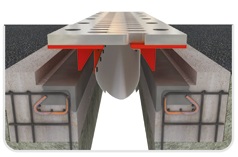

(CF-R new method) is a method of replacing the rail-type expansion joint with a steel-type finger-type expansion joint with excellent durability and running property by omitting the process of concrete disassembly and concrete re- It is a method to reduce the cost of construction by reducing the repair time, which is the biggest problem that occurs when replacing the equipment, and to shorten the traffic control time, thereby minimizing the loss of indirect costs and complaints. The most important feature of this method is that it can prevent damage to the structure due to the breaking of the end because there is no concrete dismantling, so that the life span of the bridge can be increased.
In addition, by replacing with a durable steel finger type expansion / contraction joint, it is possible to improve the performance of the entire bridge because frequent repair change due to breakage becomes unnecessary, and the damage of the expansion joint can be suppressed, Can be.
In other words, it improves the performance of the expansion joints, minimizes maintenance replacement work time, improves the performance of the expansion joints, increases the durability life of the bridges, and eliminates the inconvenience of traffic control due to rapid replacement To minimize social and economic losses.
1. Overview of New echnology
• A method of replacing a broken rail type with a bolt-assembled finger type without breaking the existing shrinkage concrete
• Development of MCFR JOINT products suitable for replacement of existing rail type expansion joints (easy maintenance replacement)
• Reduce air shortage by more than 50%, reduce the risk of road accidents
• Minimization of bridge structure damage and simplification of installation equipment
• Minimization of noise, dust and waste generation (environment-friendly replacement method)

2. Comparison of existing and new technology

3. Existing replacement method

4. Construction time comparison table

5. Construction procedure of new technology
